
Qantas has confirmed Sydney-London as the first route for Project Sunrise, its long-awaited non-stop service connecting Australia directly to Europe. Flights are set to begin in October 2027, with tickets going on sale in February.
It’s the moment Qantas has been building towards for years, and it’s about to change how Australians think about getting to the other side of the world.
No more stopovers
Right now, getting from Sydney to London means a stop in Singapore, Dubai or Doha.
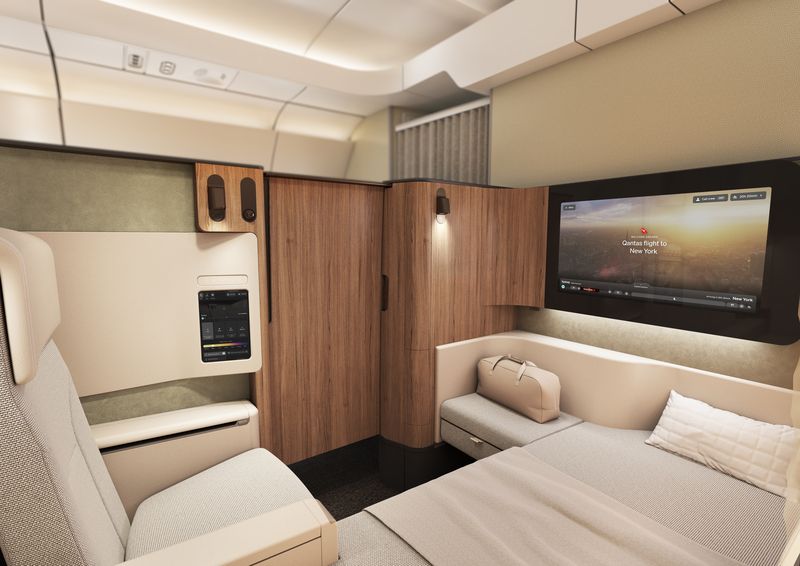
Project Sunrise removes that step entirely. Passengers will fly nonstop on a specially configured Airbus A350-1000ULR carrying just 238 people, making it the lowest-density Airbus A350 in the world.
That’s a small number for an aircraft this size, and it’s deliberate. Qantas is dedicating more space to premium cabins than usual, partly because long-range flying uses more fuel and partly because that’s where the demand is.
The airline has seen strong uptake in premium cabins on its existing Perth-London route, and it’s banking on the same pattern driving demand here. Travellers can expect fares to carry a premium of around 20 per cent compared with one-stop alternatives.
Onboard innovations
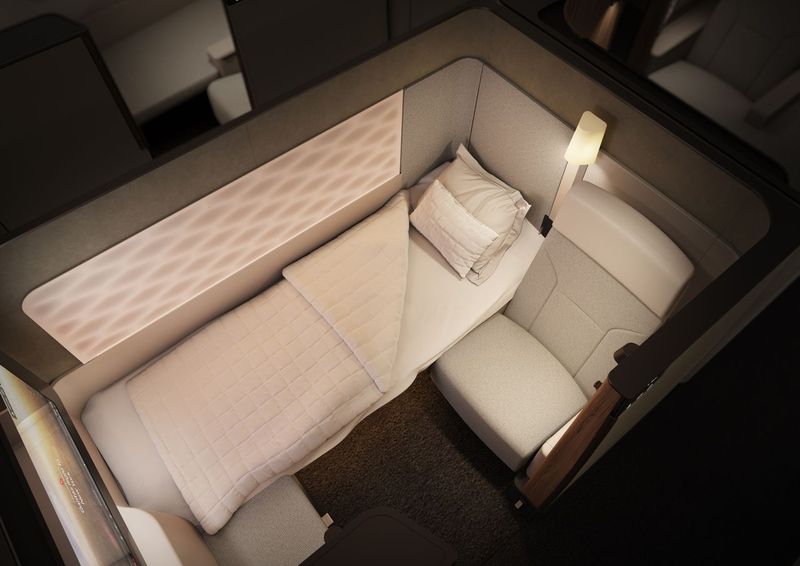
The headline addition is Qantas’ flagship new First Suite.
The new product features a separate seat and bed, a wardrobe, and significantly more privacy than the current Qantas First Class product. It’s a meaningful upgrade, and a sign of how seriously the airline is taking the premium end of this route.
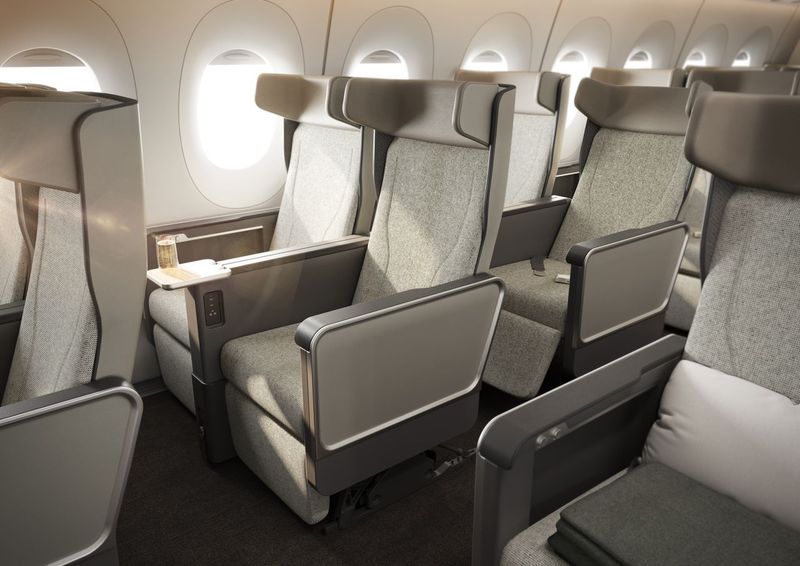
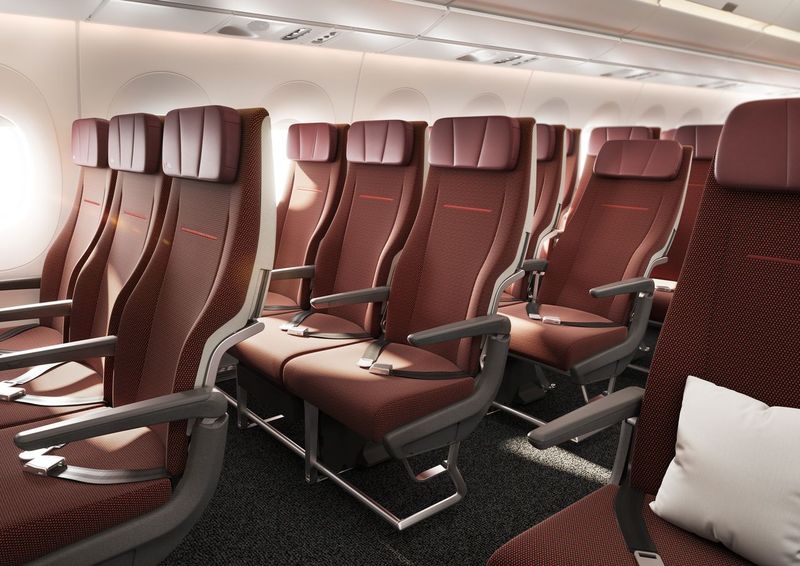
Beyond the pointy end, Qantas and Airbus have designed the aircraft around the realities of a gruelling 22-hour flight for every cabin, not just the front of the plane. That means rethinking comfort and rest for Economy passengers as much as those up front.
More than 70 per cent of seats on the aircraft will offer a seat pitch of 33 inches or greater, the most generous of any Qantas aircraft. Economy Plus will also debut on Project Sunrise, offering additional legroom and priority boarding benefits.
The science behind the seat
Qantas has worked with sleep scientists at the University of Sydney’s Charles Perkins Centre to design the cabin experience around the body clock, not just the timetable.
Lighting, meal timing and service routines have all been designed to help passengers adjust to the unusually long journey.
First and Business passengers will have access to personalised lighting controls, while Premium Economy and Economy cabins will use lighting and window management to encourage rest during designated sleep periods.
Meals are also expected to be timed strategically, with menus designed to either encourage alertness or support sleep depending on the stage of the journey.
There’s also a protected sleep window built into the flight, with low lighting, limited noise and a service rhythm designed to support it.
A wellbeing zone
Between the Economy and Premium Economy cabins, Qantas is adding a dedicated wellbeing zone.
It’s a space to stretch and move, countering the physical toll of sitting for that long, with passengers able to access guided movement programs, stretch handles, hydration facilities and refreshments during the flight.
It’s a clear response to a problem airlines can no longer ignore. Once a flight stretches beyond 20 hours, passenger comfort becomes a much bigger part of the challenge.
What it means for frequent flyers
Qantas has confirmed that at least some Classic Reward seats will be made available across all cabins on Project Sunrise flights, with CEO Vanessa Hudson acknowledging the importance of ensuring members have an aspirational reward to aim for.
Higher-tier elite members will receive priority access, in line with how reward seat releases currently work.
That said, given the commercial considerations at play and the expected demand for premium cabins, particularly the flagship new First product, it’s unclear how many reward seats will ultimately be made available to book using points.
With just six First Class suites on board, Project Sunrise could quickly become one of the most sought-after reward flights in the Qantas Frequent Flyer program.
How to book
Tickets for the inaugural route will go on sale in February 2027, with the first flights departing in October 2027.
Sydney-New York is expected to be the second route off the mark, with further destinations likely to follow as additional aircraft join the fleet. Qantas has ordered 12 Airbus A350-1000ULR aircraft for Project Sunrise operations.
Qantas is betting that Australians will pay for the ability to skip a stopover altogether, and that direct, long-haul travel is worth the premium.
From late 2027, travellers heading to London will be able to decide for themselves.
The writer travelled to Toulouse as a guest of Qantas and Airbus
While you’re here: Subscribe to our newsletter for the latest tips, deals and news. It only takes a few seconds and we respect your privacy: